Consultant Plastic Surgeon, Anthony MacQuillan describes why it happens and the natural-looking options that can help
Why GLP-1 Medication Changes Your Face and What Can Help
You set out to feel healthier, and the weight has come off. But when you look in the mirror, your face seems to have aged faster than the rest of you; flatter cheeks, a little more hollowing under the eyes, skin that doesn’t sit quite as it used to. If that sounds familiar, you’re not imagining it, and you’re far from alone. It’s become common enough to earn a nickname: Ozempic face.
This post explains what’s actually happening, why it’s nothing to be embarrassed about, and the range of options, from doing nothing at all to gentle, natural-looking treatments that can help you feel like yourself again.
What is “Ozempic face”?
“Ozempic face” is an informal term for the facial changes some people notice after significant, often rapid, weight loss frequently while using GLP-1 medications such as semaglutide or tirzepatide. The name has stuck, but the effect isn’t unique to any one drug. Any substantial weight loss, however it’s achieved, can produce the same look.
The key thing to understand is that this is a side effect of success, not a complication. Your body has done what you asked of it. The face simply tends to show weight loss more visibly than other areas.
Why does weight loss change your face?
Your face has its own pads of fat that give it youthful fullness and support the skin from beneath. When you lose weight, you don’t get to choose where it comes from and the face is one of the places it goes.
A few things tend to happen together:
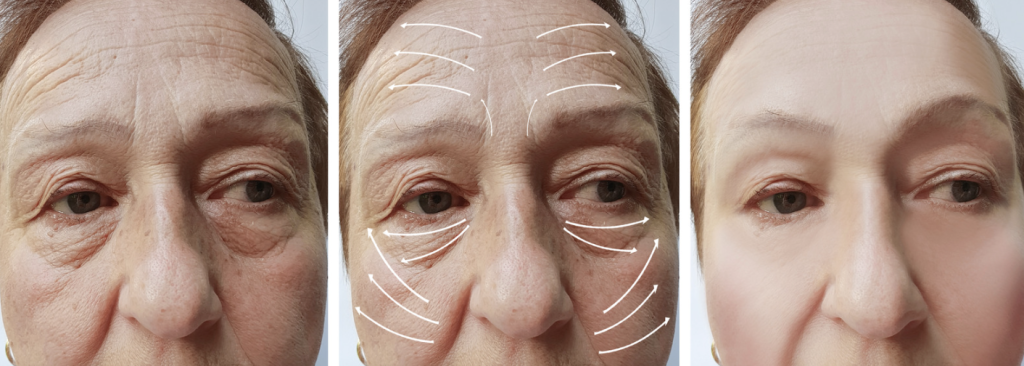
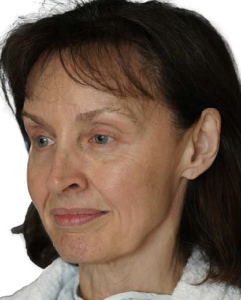
- Loss of facial volume. As the fat pads shrink, cheeks can flatten and the under-eye and temple areas can look more hollow.
- Looser skin. Skin that was supported by more underlying volume may now have a little extra to “cover,” which can read as mild sagging, especially along the jawline.
- More visible structure. With less padding, the underlying bone and shadows become more prominent, which is why some people feel they look more tired or older.
Because the changes happen quickly with GLP-1 medications, they can feel more dramatic than the same amount of weight lost slowly over years, your eye simply hasn’t had time to adjust.
Is it permanent? Do I have to do anything about it?
Often the appearance settles somewhat over the following months, particularly once your weight stabilises and your skin has time to adapt. Many people decide they’re perfectly happy and choose to do nothing which is a completely valid choice.
The right time to consider treatment is when your weight has been stable for a while, you feel the change is genuinely bothering you, and you’ve had a chance to talk it through with a qualified professional. There’s no rush, and no single “correct” answer.
What are the options if it bothers me?
The goal of any good treatment here is restoration, not transformation putting back a sense of freshness and support so you look like a well-rested version of yourself, never overfilled or “done.” Options broadly fall into three groups:
Non-surgical approaches
For milder changes, treatments that restore volume or support skin quality can be enough. These might include carefully placed dermal fillers, biostimulatory or regenerative treatments that encourage your own collagen, and skin-quality treatments. The emphasis in 2026 is firmly on less product, better placement. Your focus is subtle support rather than obvious volume (the filler era of 2020!).
Fat transfer (fat grafting)
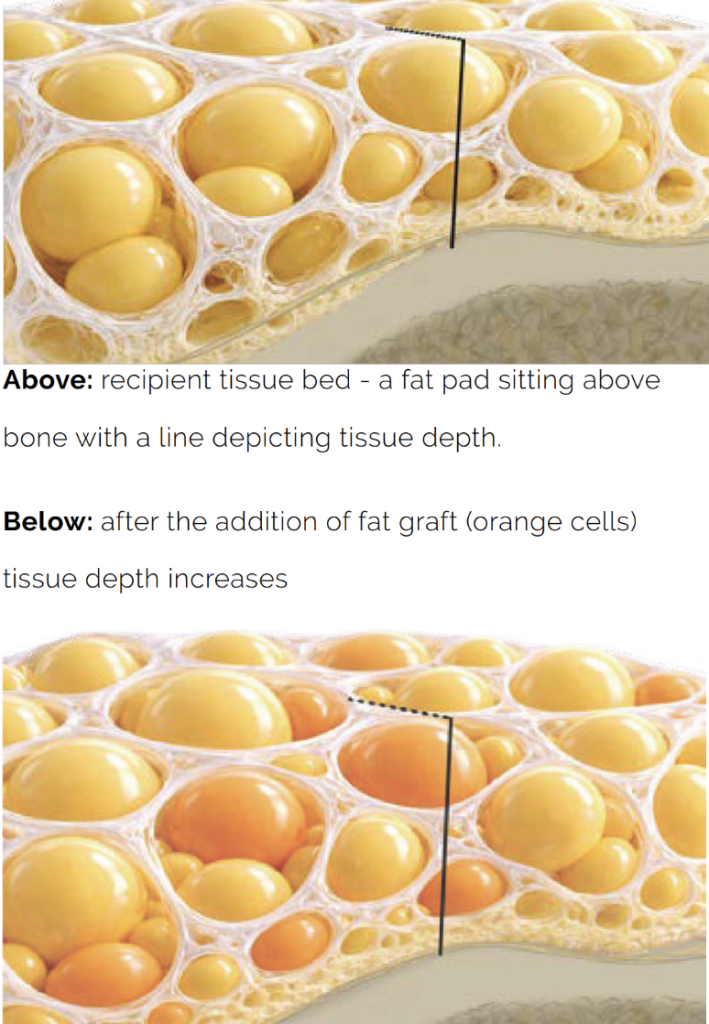
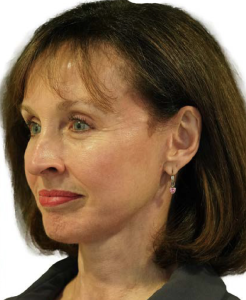
Because the underlying issue is often lost volume, using your own fat to gently re-support the cheeks, temples and under-eye area can be a natural-feeling solution. It uses tissue from elsewhere on your body, and results aim to look soft and integrated.
Surgical lifting
Where skin laxity is the main concern (particularly around the jawline and neck) a surgical approach may give the most natural, lasting result. Modern techniques focus on repositioning and support rather than tightening, so the result moves and ages naturally.
The right choice depends entirely on your face, the degree of change, your skin, and what matters to you. That’s exactly what a consultation is for.
How do I make sure the result looks natural?
This is the question patients ask most, and rightly so. A few principles help:
- Choose a board-certified, GMC-registered practitioner who treats faces regularly.
- Be wary of a one-size-fits-all plan (your face is not the same as anyone else’s).
- Prioritise a clinician who is willing to recommend less, or nothing, when that’s the honest answer.
- Look at real before-and-after examples of natural, understated results.
Frequently asked questions
Should I stop my GLP-1 medication to protect my face?
This is a decision for you and the doctor managing your weight or health, never something to do based on appearance alone. The health benefits of your treatment matter most.
When should I consider treatment for facial changes?
Generally once your weight has been stable for several months, so any treatment is planned against your “settled” face rather than a moving target.
Will fillers fix Ozempic face?
For some people, modest volume restoration helps a great deal. For others, fat transfer or a surgical approach suits better. The only way to know is an in-person assessment.
Is this covered by insurance?
Treatment for cosmetic facial changes is typically not covered, but costs and options vary, ask for a clear, itemised breakdown before deciding.
A calm next step
Facial changes after weight loss can be unsettling, but they’re common, well understood, and very treatable when you decide the time is right. The most useful first step isn’t a procedure, it’s a conversation.
If you’d like to understand what, if anything, would suit your face, you’re welcome to book a consultation with Mr Anthony MacQuillan. We’ll talk honestly about your options, including the option of doing nothing.
Call: 01761 422220